About Offline Reverse Air Bag Filter
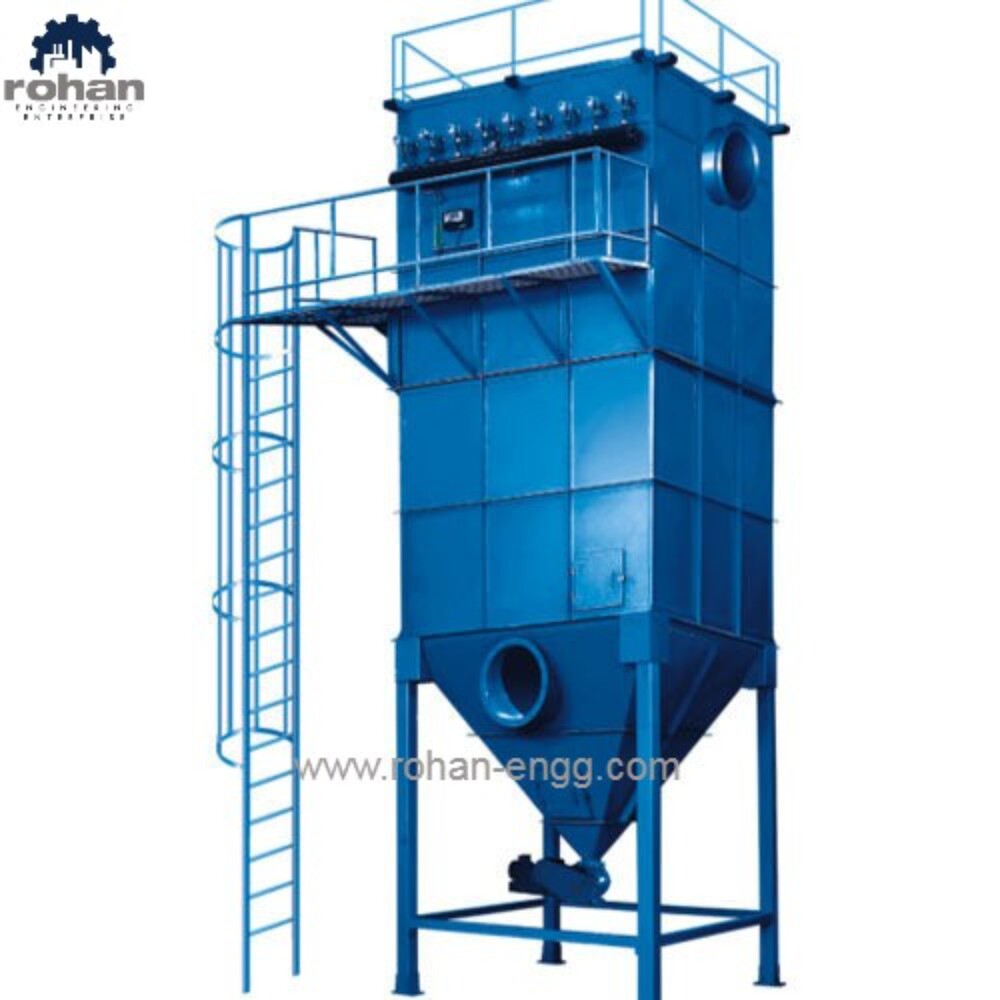
This type of bag filter is capable of handling up to50 gm/Nm3 dust loads with guaranteed emission level of even less than 10mg/Nm3. It can handle very fine and light dust at low pressure. This bag filter is mainly used where the dust material density is less than 100 kg/m3.
Exceptional Dust ControlEngineered for superior dust collection, this filter maintains particulate emissions below 30 mg/Nm3, ensuring compliance with stringent air quality regulations. Continuous processing and a vertical orientation enable uninterrupted operation, making it ideal for heavy-duty industrial environments.
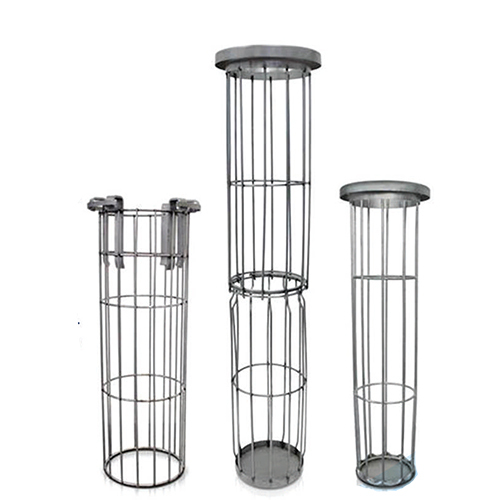
Robust and Versatile ConstructionConstructed from powder-coated mild steel with a reactor thickness of 6 mm, this bag filter is built to withstand harsh industrial conditions. With customizable bag configurations, it adapts to various air flow rates and operational needs, offering flexibility for projects of different scales.
Advanced Cleaning and AutomationFeaturing an offline reverse air flow cleaning method and PLC-based automatic controls, maintenance is simplified, while operational efficiency remains high. The filter supports analog display monitoring and differential pressure sensors for precise filtration management and maximum uptime.
FAQ's of Offline Reverse Air Bag Filter:
Q: How does the offline reverse air flow cleaning process work in this bag filter system?
A: The offline reverse air bag filter uses a non-operational compartment to reverse air flow through the bags, dislodging accumulated dust. This cleaning method prevents process disruption, ensuring continuous dust collection and prolonging bag life.
Q: What are the advantages of using polyester, Nomex, or fiberglass bag materials?
A: Polyester, Nomex, and fiberglass bags offer excellent filtration efficiency and durability. Polyester is cost-effective and versatile, Nomex withstands higher temperatures, while fiberglass provides chemical and heat resistance up to 250C, suiting diverse industrial dust collection needs.
Q: When should I consider optional insulation for my bag filter installation?
A: Optional insulation is recommended when operating in environments with high temperature fluctuations or when handling hot gases. Insulation helps conserve energy, protects equipment from temperature shock, and ensures stable filtration performance.
Q: Where is the Offline Reverse Air Bag Filter typically used?
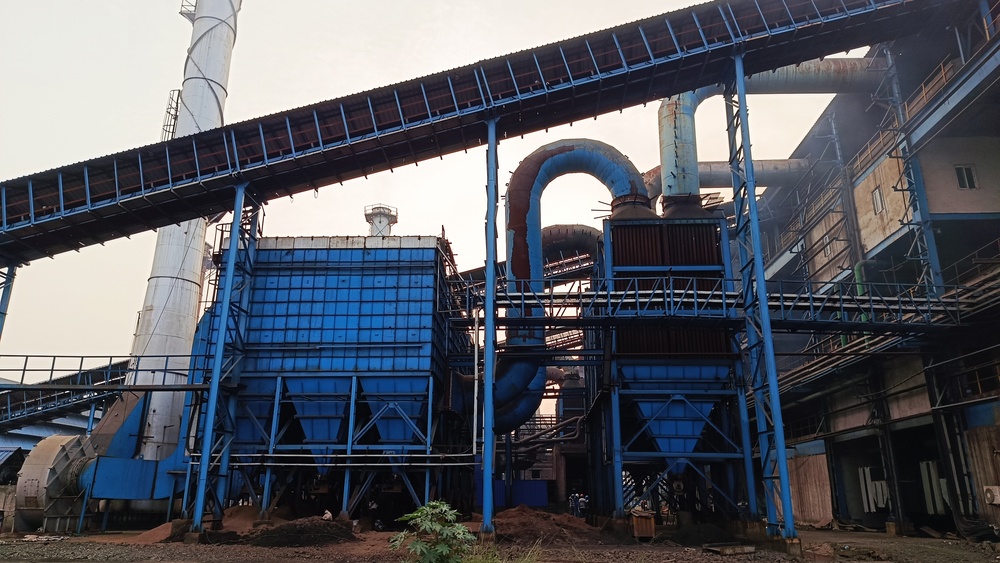
A: This system is widely installed in industrial sectors with high dust loads, including cement manufacturing, steel production, and similar heavy industries across India and beyond. It is floor-mounted for stability and integrates seamlessly into existing dust management setups.
Q: What benefits does the PLC-based control panel offer?
A: The PLC-based control panel automates the filter's operations, monitoring system parameters such as pressure and dust levels. This automation minimizes manual intervention, enhances system reliability, and optimizes performance for continuous industrial processes.
Q: How is dust discharged from the filter during operations?
A: Accumulated dust is efficiently discharged through a rotary airlock valve, maintaining system airtightness, minimizing air leakage, and facilitating safe, clean waste handling.
Q: What maintenance requirements should be anticipated for this equipment?
A: Routine maintenance includes checking bag integrity, monitoring pressure differentials, and ensuring proper function of the rotary airlock and PLC system. The offline cleaning method and robust design reduce overall maintenance frequency compared to traditional systems.






 Send Inquiry


 Send Inquiry


 English
 Spanish
 French
 German
 Italian
 Chinese (Simplified)
 Japanese
 Korean
 Arabic
 Portuguese