About 2 -Stage Sampling System
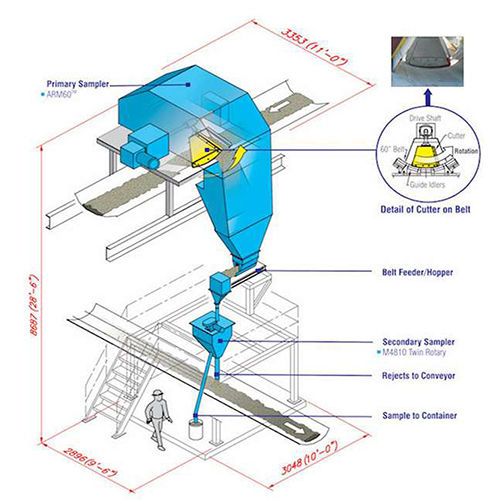
A two-stage sampling system comes into play where the sampling process is done in two stages. It's of huge utility while handling large populations where creating a list of all individuals is costly. In the first stage, clusters or sampling units (PSUs) are randomly selected followed by a random sample that is taken from within each of the clusters.
Engineered for Reliability and PrecisionBuilt with industrial-grade materials, the 2-Stage Sampling System ensures reliable operation and precise sampling regardless of demanding site conditions. The dual-stage process enables representative sampling for improved quality control, while the robust design is tailored for continuous, automated operation.
Versatile, Automated Sampling SolutionCompatible with various bulk materials, this equipment integrates easily with conveyor systems or inline installations. The noise-controlled, PLC-operated system offers both automatic operation and manual override, supporting flexibility during maintenance or special sampling requirements.
Configurable to Your NeedsThe system supports adjustable sample sizes, multiple configurable outlets, and customizable belt lengths. Protection classes up to IP65 allow for operation in harsh ambient conditions from -10C to +55C. Designed for efficiency, low maintenance, and long-term service, this sampler adapts to the unique needs of industrial processes.
FAQ's of 2 -Stage Sampling System:
Q: How does the 2-Stage Sampling System operate?
A: The system automatically collects bulk material samples in two stages-using primary and secondary samplers-to ensure accurate and representative sampling. It operates via an electrical induction motor and is controlled by a PLC-based control panel, with the option for manual override when necessary.
Q: What types of industries commonly use this sampling system?
A: Industries such as mining, cement manufacturing, power generation, and other bulk handling environments utilize this 2-Stage Sampling System for accurate sample collection and quality control.
Q: When should I choose a 2-stage versus single-stage sampling system?
A: A 2-stage system is recommended when high representativeness and accuracy are essential for sampling. The dual-stage process helps reduce bias and improve sample reliability, especially for heterogeneous materials processed in mines, cement plants, and similar industries.
Q: Where can this system be installed within a facility?
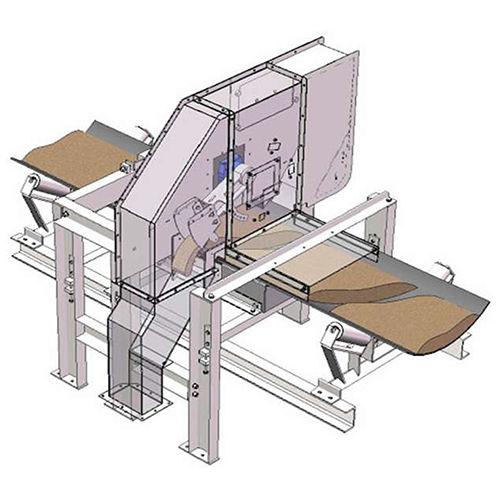
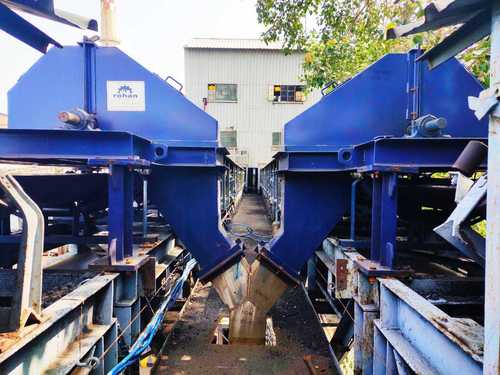
A: The sampler is designed for inline or conveyor-mounted installation, integrating seamlessly into existing bulk material handling lines to continuously collect samples from material streams.
Q: What is the typical process for sampling with this system?
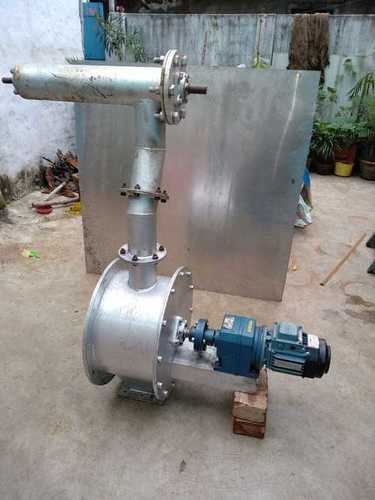
A: The process begins as bulk material passes through the primary sampler, collecting an initial sample. This sample then enters the secondary sampler for further reduction, resulting in a manageable, representative portion (up to 5kg) suitable for analysis.
Q: How does the equipment benefit industrial operations?
A: It ensures precise, automated sampling for consistent quality control, offers configurable options for different applications, minimizes manual labor, and supports high-throughput requirements. Its robust, low-maintenance design reduces downtime and supports long-term operational reliability.
Q: Is the sampler customizable for different operational requirements?
A: Yes, the system can be configured in terms of sample size, belt length, number of outlets, and material of construction. Protection class upgrades (IP55 or IP65) and operating modes are also available to match specific site or process demands.





 Send Inquiry


 Send Inquiry


 English
 Spanish
 French
 German
 Italian
 Chinese (Simplified)
 Japanese
 Korean
 Arabic
 Portuguese